
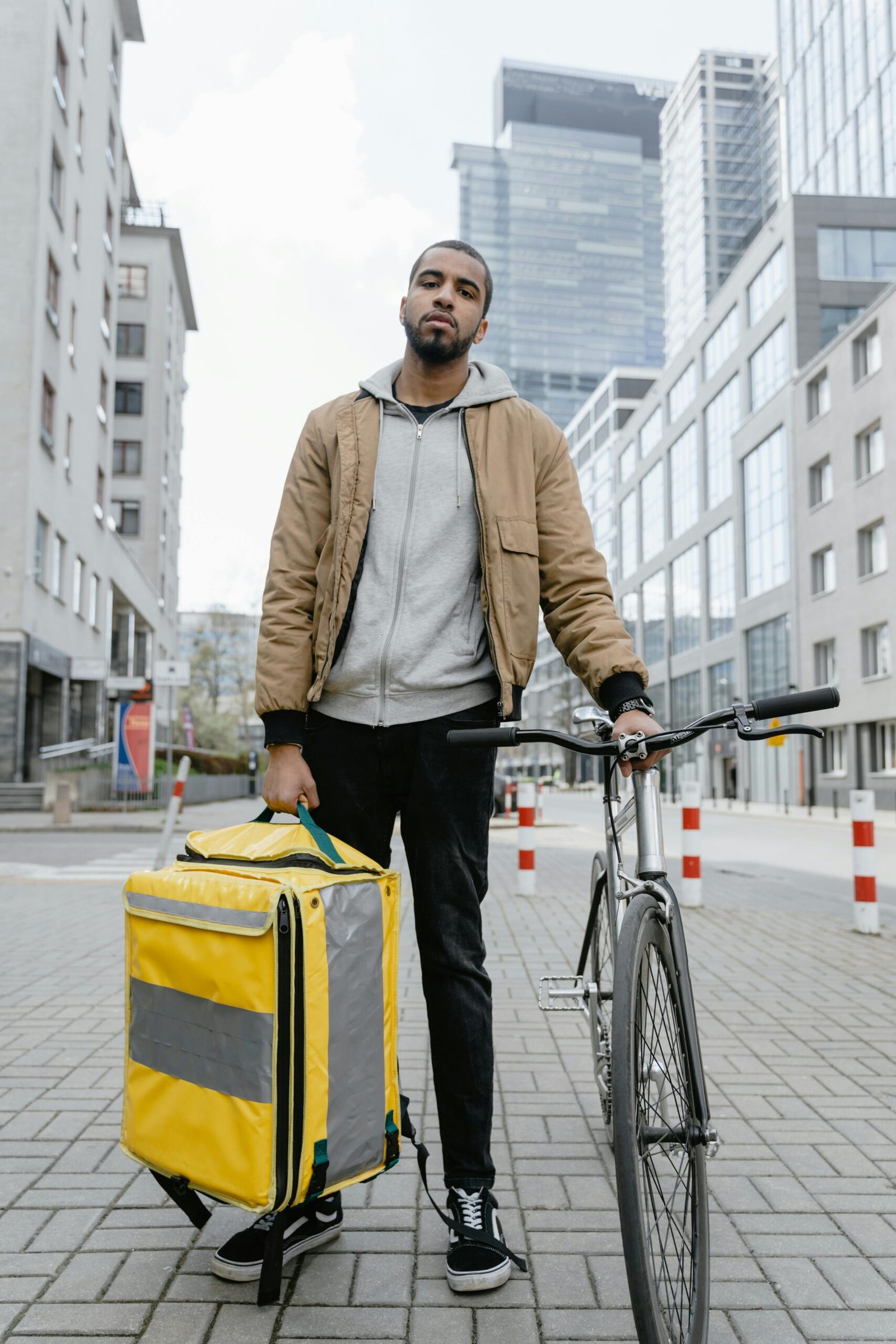
In March 2026, the European job market is characterized by a “Dual-Speed” transition: a rapid acceleration in Green and Digital sectors contrasted against a persistent labor shortage due to demographic aging.
As of January 2026, the EU unemployment rate remains at a resilient 5.8%, with the total employment rate hovering around 75.8%. However, “stability” in 2026 doesn’t mean “stagnation”—the nature of work is shifting toward niche specialization and human-AI synergy.
1. Key Industries Dominating 2026
Four major sectors are driving the bulk of European recruitment and economic growth this year.
- Technology & AI Operations: We have moved from “AI experimentation” to “Agentic AI” integration. Demand has exploded (by over 800% for generative AI skills) for roles like AI Machine Learning Engineers, Prompt Designers, and Cybersecurity Architects.
- The Green Economy: Driven by the “Fit for 55” package, Europe is recruiting an “army” of Renewable Energy Engineers, EV Technicians, and Sustainability Managers to overhaul energy grids and transport.
- Healthcare & Life Sciences: Due to an aging population, healthcare remains a “perpetual shortage” sector. Germany alone faces a shortage of nearly 500,000 nurses by 2030, making Registered Nurses and Healthcare Assistants the most sought-after roles for international recruitment.
- Advanced Manufacturing (Industry 4.0): In Germany and the Nordics, the focus is on Mechanical Engineers specializing in robotics and Digital Twin technology to optimize industrial processes.
2. Top 5 In-Demand Jobs & Salaries (2026 Estimates)
| Job Title | High-Demand Regions | Avg. Salary Range (EUR) |
| Cybersecurity Specialist | Germany, Netherlands, Ireland | €60,000 – €95,000 |
| Renewable Energy Engineer | Sweden, Denmark, Spain | €55,000 – €90,000 |
| AI & ML Engineer | France, Poland, Ireland | €65,000 – €110,000 |
| Registered Nurse | Germany, UK, Norway | €35,000 – €65,000 |
| Construction Project Mgr | Netherlands, Poland, Germany | €55,000 – €85,000 |
3. Emerging Employment Trends
- The “Portfolio Career”: In 2026, the idea of a single lifelong career path is largely considered obsolete. Younger workers are embracing multiple income streams and project-based engagement through platforms or “Employer of Record” arrangements.
- Human-Centric Skills: As AI displaces junior white-collar tasks, European employers are placing a premium on “Irreplaceable Human Value”—specifically Emotional Intelligence (EQ), Leadership, and Cross-border Regulatory Experience.
- The EU Talent Pool: To combat the shrinking working-age population, the EU officially launched the EU Talent Pool platform in March 2026. This system fast-tracks the matching of skilled professionals from outside the EU with authorized employers in shortage sectors.
- Age-Diverse “Ageless” Teams: With later retirement ages, a major 2026 trend is the redesign of career paths to support multigenerational teams, combining the digital fluency of youth with the strategic wisdom of senior professionals.
4. Regional Snapshots
- Germany: Remains the industrial powerhouse but struggles with the highest volume of vacancies in nursing and technical trades.
- Ireland & Netherlands: The primary “Tech Hubs” for Data Analytics, FinTech, and Logistics.
- Poland & Czechia: Booming as manufacturing and logistics centers, boasting some of the lowest unemployment rates in the Union (approx. 3.1%).
AI Peer Insight: If you’re looking to enter the European market in 2026, “STEM is your VIP pass.” However, don’t ignore the “Soft Side”—the ability to manage remote, multicultural teams is now just as valuable as knowing how to code.